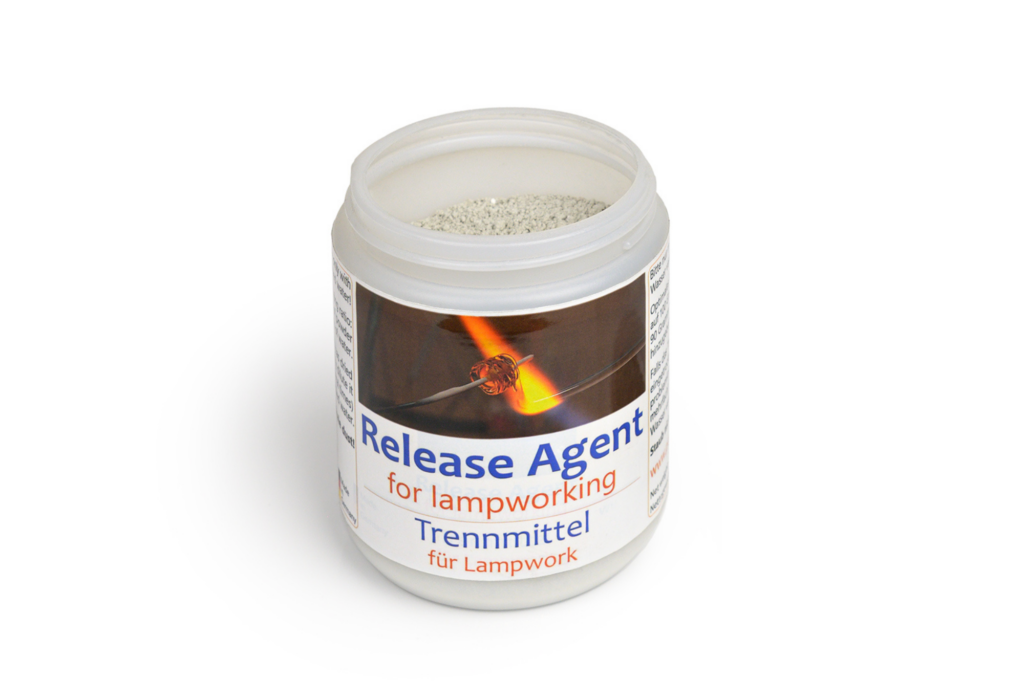
Say goodbye to bead-removal frustration – here’s what you need to know!
As a glass artist, you know the feeling: Everything is going perfectly – until the bead won’t release from the mandrel, the release agent cracks, or residue clogs the hole. It’s at this seemingly minor step that everything is decided – whether your work flows smoothly or turns into a test of patience.
Looking for answers about release agents? We’ve gathered the most important questions and answers for you right here on this FAQ page.
No mess. No stress. Just smooth bead release.
Our release agent is designed to do one thing right: let you focus on creating, not on removing beads.
Discover at the bottom of this page why countless glass artists are already convinced.
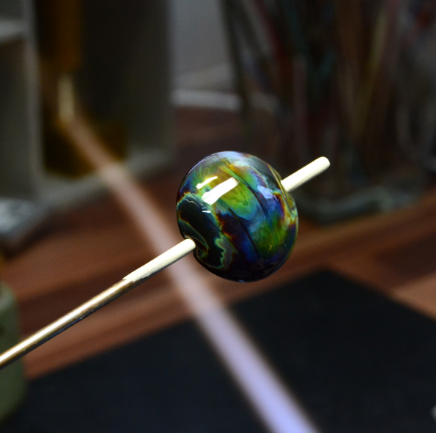
FAQ – Your Top Questions About Glass Bead Release Agents, Answered
General Questions About Release Agents
What exactly is a release agent used for in lampworking?
A release agent is a protective layer between the metal mandrel and the hot glass. It prevents the glass from sticking to the mandrel as it cools, making it easy to remove the finished bead.
What kinds of release agents exist?
You can find powders to prepare yourself, pre-mixed liquid formulas, or thicker pastes. Powders offer great flexibility since you can control the consistency to your liking.
Why can’t you work without using a release agent?
Without a release agent, the glass bonds firmly to the mandrel. This makes the bead difficult or even impossible to remove, which can damage both the mandrel and the bead.
How to Use
How do I apply the release agent to the mandrel?
Dip the mandrel up to the desired point into the mixed release agent. The layer should be thin but fully covering.
How thick should the layer be?
Don’t make it too thick, or it will crack more easily. An even, thin layer provides the best protection.
How long does the release agent need to dry?
It’s best to let it dry naturally in the air. At room temperature, this takes about 15–30 minutes. Some glass artists briefly hold the mandrels in the flame or place them in the oven to speed up the process.
Cleaning & Care
How do you remove release agent residue from the bead?
Simply rinse with warm water or clean with a fine round brush.
How do I clean the mandrel?
After use, clean with warm water and a cloth. Stubborn residues can be removed with fine steel wool.
How should I store mixed release agent?
Store it in an airtight container. Protect it from direct sunlight, and stir before the next use if needed.
How long can release agent be stored?
Powder has an almost unlimited shelf life when stored dry. Mixed release agent should be used within a few weeks.
How to properly prepare your mandrels
Learn in our video how to mix your release agent in no time and prepare your mandrels perfectly.
With loading the content you agree to the privacy policy of YouTube.
Quality that makes the difference
Our bead release agent was specially developed to provide secure adhesion while allowing easy bead removal. It withstands repeated heat exposure and ensures clean, smooth bead holes—perfectly tailored to the needs of glass artists.
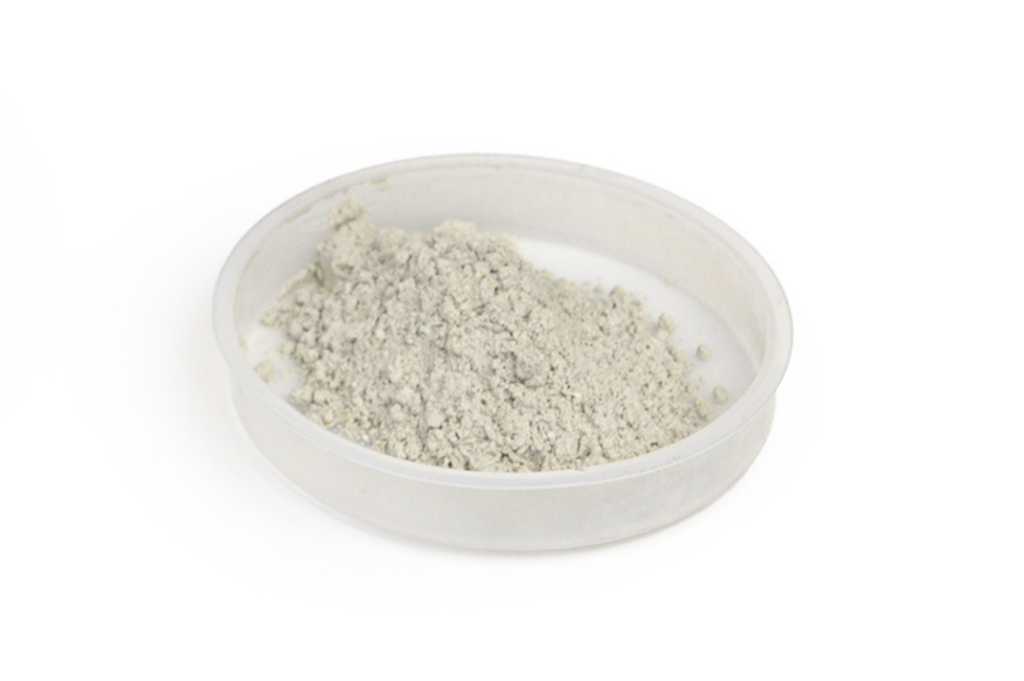
After countless tests with different techniques, tools, and temperatures, we have created a release agent that does exactly what it’s supposed to — reliably:
✔ Strong adhesion to the mandrel, yet effortless bead removal
✔ Residue-free bead holes with a smooth surface
✔ Heat resistant and stable even after repeated heating
✔ Suitable for air-dried mandrels or quick drying directly in the flame
✔ Works reliably with ring mandrels and cabochon discs as well
In powder form – just mix with distilled water and refill whenever needed.
The release agent everyone’s been searching for — and we’ve finally created it.